

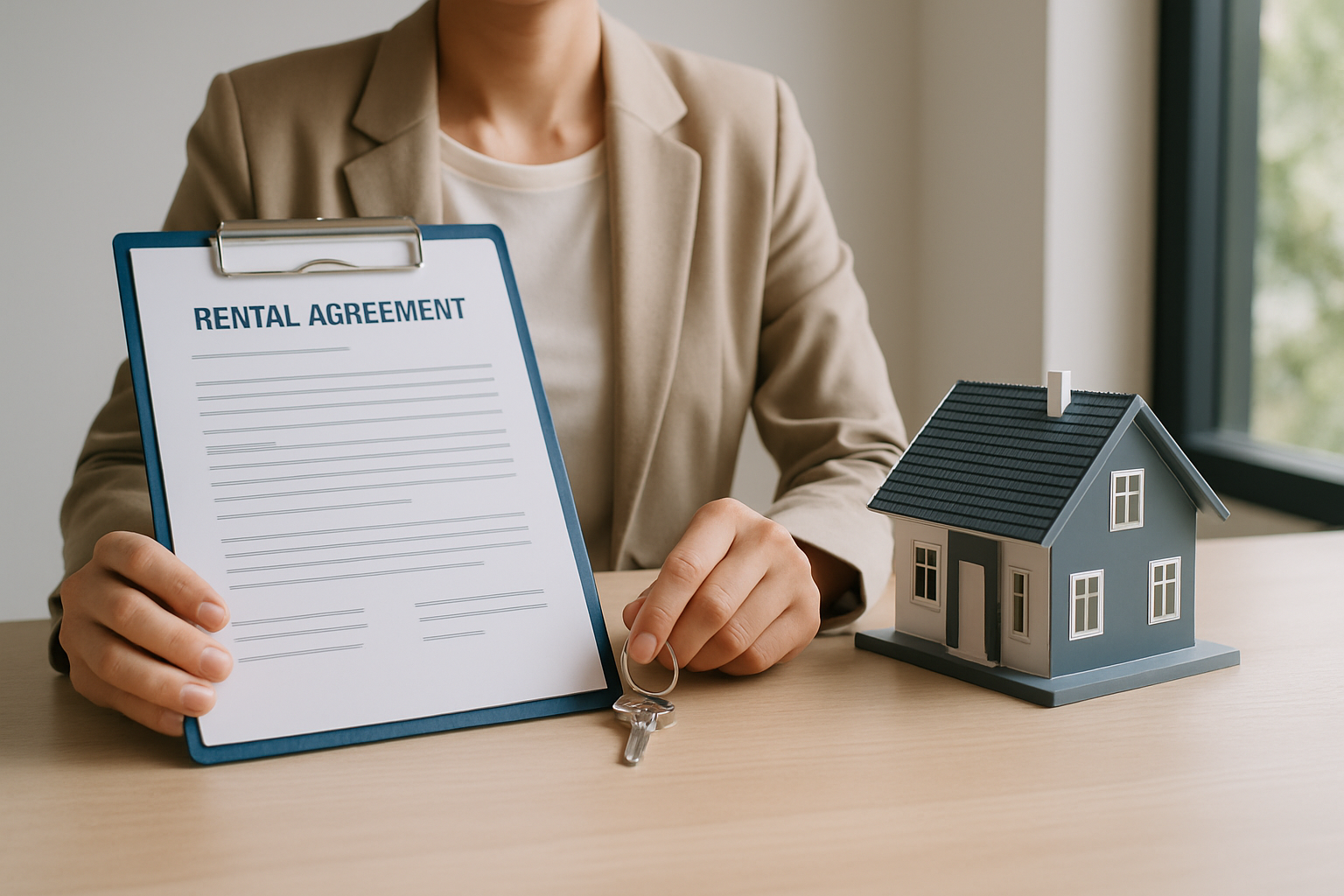
If you own a holiday or second home and are considering renting it out short term, it can be a fantastic way to generate income and make the most of your property. However, short-term rentals come with specific legal requirements and practical steps you need to know to stay compliant and successful. This guide walks you through everything you need to understand about licenses, registration numbers, and key essentials for renting out your property on a short-term basis.
What is a Short-Term Rental?
Short-term rentals typically refer to renting out your property for periods ranging from a few days to several weeks, often catering to tourists, holidaymakers, or temporary visitors. Unlike long-term leases, these rentals require a different legal framework, mainly because they are considered tourist accommodations in many jurisdictions.
This distinction affects licensing, taxation, and local regulations, all of which you must understand before listing your property.
Why Do You Need a License to Rent Short Term?
Many regions require property owners to obtain a specific license for short-term rentals. This license serves several purposes:
- Consumer protection: Ensures the property meets safety and quality standards.
- Regulation of tourist accommodation: Helps local authorities monitor and manage tourism impact.
- Legal operation: Avoids penalties, fines, and forced closure of non-compliant rentals.
- Tax compliance: Facilitates proper reporting of rental income.
The license is often issued by regional or local tourism departments and is mandatory before you start renting short term.
How to Obtain a Short-Term Rental License
The exact process can vary depending on your location, but generally includes:
- Research local regulations: Confirm which authority issues short-term rental licenses in your area.
- Prepare your property: Ensure your home complies with safety, accessibility, and quality standards (e.g., fire safety equipment, emergency exits).
- Gather required documentation: Commonly needed documents include proof of ownership, energy performance certificates, identification, and sometimes insurance.
- Submit your application: This is usually online or in person with your local tourism office.
- Property inspection: In some cases, an inspection may be required to verify compliance.
- Receive your license: Once approved, you will be assigned a license number to display in your rental listing.
Remember, compliance is ongoing, so stay up-to-date with any changes in local laws.
Understanding the NRA Number
The NRA (Número de Registro de Actividad) is a registration number that many jurisdictions require for short-term rentals. It is different from the license but equally important.
The NRA number:
- Identifies your property as a registered tourist accommodation.
- Must be included in all advertising and rental platforms.
- Helps authorities ensure proper tax payments and regulation compliance.
To obtain an NRA number, you generally need:
- Your short-term rental license or proof of application.
- Identification documents.
- Proof of property ownership or authorization to rent.
- Sometimes a tax identification number (NIF).
Apply through your local tourism or regulatory office, and keep this number visible when advertising your rental.
Common Mistakes When Renting Out Short Term
- Renting without a license: This is a common issue that can lead to heavy fines or business closure.
- Ignoring community rules: Some urbanizations and communities prohibit short-term rentals—always check your homeowners' association rules first.
- Inadequate insurance coverage: Standard homeowner insurance often does not cover short-term rentals; consider specialized policies.
- Failing to declare income: Rental income is taxable; ensure you comply with tax obligations to avoid penalties.
- Overlooking property maintenance: Regular upkeep and cleanliness are vital for good reviews and repeat bookings.
Pro Tips for Managing Your Short-Term Rental
- Automate bookings and communication: Use trusted platforms or management software to streamline processes.
- Offer clear rental policies: Define check-in/out times, house rules, and cancellation terms upfront.
- Keep documentation organized: Maintain copies of licenses, insurance, contracts, and communications.
- Invest in professional cleaning: First impressions matter and cleanliness is often the top priority for guests.
- Stay informed: Rental regulations can evolve—regularly check for updates in your jurisdiction.
Frequently Asked Questions
- Do I need a license to rent my holiday home short term?
- In most Spanish regions, yes. A short-term rental license or registration is typically mandatory before renting to tourists.
- What is the difference between a license and the NRA number?
- The license authorizes you to operate as a short-term rental, while the NRA is a registration number you must display in advertising and reports.
- Can I rent my property short term if I live in a community with shared rules?
- You must check your community statutes or homeowners' association rules. Some prohibit or restrict short-term rentals.
- How long does it take to get a short-term rental license?
- Processing times vary by locality but expect several weeks. Starting the process early is recommended.
- Do I need special insurance for short-term rentals?
- Yes. Standard homeowner insurance often doesn't cover short-term rental risks, so consider specialized insurance policies.
- Is rental income from short-term letting taxable?
- Yes. Rental income must be declared for tax purposes in accordance with applicable tax laws.
Let Us Help You Rent Out Your Property
Renting out your holiday or second home short term can be rewarding but navigating licenses, registrations, and regulations can be complex. Our expert team is ready to guide you through each step, ensuring compliance and maximizing your rental potential.
Next steps:
- Schedule a call with our rental specialists.
- Receive tailored advice based on your property's location and type.
- Get support with license applications and tax considerations.
- Start renting confidently and legally.
Disclaimer
Please note that rental regulations, licensing requirements, and tax rules differ across Spain’s autonomous communities and municipalities. This guide provides general information but is not a substitute for professional legal or tax advice. Always consult local authorities or qualified professionals before proceeding.