

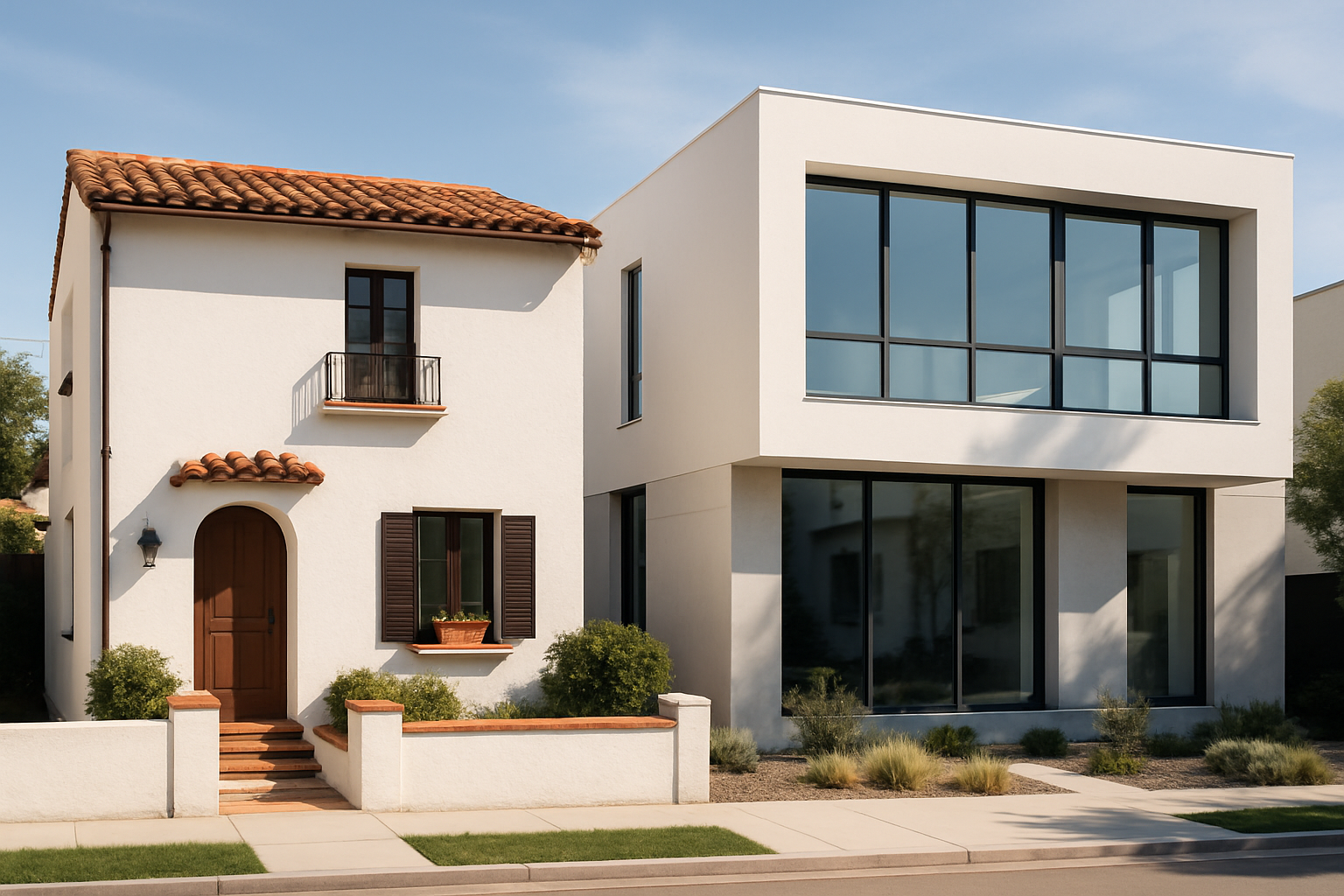
Deciding between a new build and a resale property is one of the first big choices you’ll face as a homebuyer. Each option offers unique advantages and considerations that can impact your lifestyle, budget, and long-term satisfaction. In this article, we’ll explore the differences between new builds and resale homes to help you make an informed decision that fits your needs.
New Builds vs Resale Properties: Understanding the Basics
When choosing between purchasing a new build or a resale (pre-owned) home, it’s important to understand what each option entails:
- New Build: A recently constructed property, often part of a development, that typically has never been lived in before.
- Resale Property: A home that has been previously owned and occupied by one or more homeowners.
Both categories come with distinct characteristics that may align differently with your preferences and priorities.
Pros and Cons of New Build Properties
Advantages
- Modern Designs and Features: New builds often reflect the latest architectural trends and incorporate energy-efficient materials and smart home technologies.
- Lower Maintenance: Everything is brand new, reducing the likelihood of immediate repairs or replacements.
- Customization Options: Early buyers can sometimes select finishes, layouts, or upgrades tailored to their tastes.
- Builder Warranties: Many new builds come with warranties covering structural components and systems for a set period.
Disadvantages
- Higher Purchase Price: New builds can come with premiums for modern amenities and updated building standards.
- Limited Negotiation: Builders often have fixed pricing, leaving less room for bargaining.
- Location Constraints: New developments may be located on city outskirts or less established neighborhoods.
- Construction Delays: If buying off-plan, unforeseen delays can affect move-in timelines.
Pros and Cons of Resale Properties
Advantages
- Established Neighborhoods: Resale homes are often located in mature areas with established amenities and community features.
- Potential for Negotiation: Sellers may be open to price discussions depending on market conditions and urgency.
- Character and Charm: Older homes might showcase unique architectural details and mature landscaping.
- Immediate Availability: You can usually move in soon after closing without the wait for construction.
Disadvantages
- Maintenance and Repairs: Older homes might require updates or repairs, which can add to your costs.
- Energy Efficiency: Resale homes may not meet the latest efficiency standards, potentially increasing utility bills.
- Unknown History: Issues like hidden damage or past renovations without permits can pose risks.
- Potential Renovation Costs: You may want to modernize or customize the property after purchase.
What to Pay Attention To When Choosing
Whether leaning toward a new build or a resale home, keep these factors front of mind:
- Budget: Consider not only the purchase price but also ongoing costs like maintenance, property taxes, and insurance.
- Location: Think about proximity to work, schools, transportation, and lifestyle amenities.
- Timeline: When do you need to move? New builds might have longer wait times, while resale homes can be quicker purchases.
- Future Plans: How long do you plan to stay? Resale homes might require renovations, which can pay off if you’re settling long term.
- Inspection and Due Diligence: New builds usually have fewer surprises, but resale homes benefit from thorough inspections to uncover potential issues.
Who Should Consider New Builds?
New builds frequently suit buyers who:
- Value modern design and low maintenance
- Want customizable options upfront
- Are comfortable with paying a premium for updated features
- Prefer warranties that provide peace of mind
- Have flexibility on move-in timing
Who Should Consider Resale Properties?
Resale homes may be ideal for buyers who:
- Prioritize location and established neighborhoods
- Seek potential negotiation opportunities on price
- Appreciate character and unique architectural features
- Want a home that’s ready for immediate occupancy
- Are prepared to invest in renovations or upgrades
Pro Tips When Comparing New Builds and Resale Homes
- Visit Multiple Properties: Touring a variety of homes helps clarify what feels right for you.
- Budget for the Long Term: Factor in possible future expenses for repairs or upgrades.
- Ask About Warranties and Insurance: Ensure you understand what protections come with a new build or what you may need for an older home.
- Work with Experienced Professionals: Real estate agents, inspectors, and mortgage advisors can provide valuable insights tailored to your market.
- Be Patient: Making the right choice takes time, so avoid rushing into a decision.
Frequently Asked Questions
1. Are new build homes more expensive than resale properties?
Generally, new builds can have higher initial prices due to modern features and construction costs, but this varies by location and market conditions.
2. Do new builds come with warranties?
Yes, most new builds include warranties that cover certain structural elements and systems for a limited time, providing added protection for buyers.
3. What should I look for in a resale home inspection?
Focus on the condition of major systems such as roof, plumbing, electrical, HVAC, as well as signs of water damage, foundation issues, and any needed repairs.
4. Can I negotiate the price on a new build?
While negotiation is often more limited with new builds, some builders may offer incentives or upgrades, especially towards the end of a sales cycle.
5. How long does it take to move into a new build?
Move-in times vary depending on whether the home is completed or sold off-plan. Construction delays are possible, so it’s best to confirm schedules with the builder.
6. Is it easier to get financing for a resale home or a new build?
Both types of properties are financeable, but some lenders have specific requirements for new constructions. Check with your mortgage advisor for details.
Ready to Find Your Perfect Home?
Choosing between a new build and a resale home depends on your lifestyle, budget, and priorities. Our experienced team is here to guide you through every step — from understanding market options to booking viewings tailored to what matters most to you.
Let us help you find the right fit. Contact us today to schedule a viewing and start your homebuying journey with confidence.
Book a ViewingDisclaimer: Real estate laws, taxes, and regulations vary by jurisdiction. Always consult local experts or professionals to understand specific requirements and implications in your area.
